

Asbestos was once a common ingredient in many building materials used in homes, commercial buildings, and industrial facilities. Because it resists heat, fire, and wear, it was incorporated into everything from insulation and flooring to roofing and fireproofing products. Although its use has declined significantly, many older properties still contain asbestos-containing materials.
The challenge is that asbestos is often hidden from view. It can be behind walls, above ceilings, under flooring, or around pipes and mechanical systems. Because of this, property owners often first become aware of potential asbestos concerns when planning renovations, repairs, or demolition work.
Before disturbing older building materials, it is important to determine whether asbestos is present. Testing provides the information needed to make informed decisions and helps reduce unnecessary exposure risks. In this guide, we’ll explain how asbestos testing works, when it is recommended, and what steps to take if asbestos is identified.
What Is Asbestos and Why Is It Dangerous?
Asbestos refers to a group of naturally occurring mineral fibers that were widely used in construction throughout much of the twentieth century. Manufacturers valued asbestos because it was durable, heat-resistant, and capable of improving insulation performance. Consequently, it became a common component in a variety of building products.
The presence of asbestos alone does not automatically create a hazard. Problems arise when asbestos-containing materials become damaged or disturbed. Activities such as drilling, sanding, cutting, or demolition can release microscopic fibers into the air. Because these fibers are extremely small, they cannot be seen without specialized equipment.
Once airborne, asbestos fibers may be inhaled and remain in the lungs for extended periods. Long-term exposure has been associated with several serious health conditions. For this reason, understanding whether asbestos is present before construction activities begin is an important part of protecting occupants, workers, and anyone else who may enter the area.
Can You Identify Asbestos by Looking at It?
One of the most common misconceptions about asbestos is that it can be identified through appearance alone. In reality, asbestos fibers are microscopic, making visual confirmation impossible.
Many asbestos-containing products look nearly identical to materials that do not contain asbestos. For example, two floor tiles may appear the same even though only one contains asbestos. The same is true for insulation, ceiling materials, roofing products, and wall components.
There are, however, indicators that may suggest testing is warranted. The age of a building, the presence of original construction materials, and the lack of major renovations can all increase the likelihood that asbestos-containing products remain in place. Even so, these clues are not proof. Laboratory analysis remains the only reliable way to determine whether a material contains asbestos.
Where Is Asbestos Commonly Found?
Asbestos has been used in a wide range of construction materials. Inside buildings, it may be found in pipe, boiler, and duct insulation, as well as ceiling tiles, textured ceiling finishes, drywall compounds, plaster, vinyl floor tiles, and flooring adhesives.
Exterior materials can also contain asbestos. Roofing shingles, roofing felts, cement siding, soffits, and exterior panels are among the products that historically incorporated asbestos fibers.
In commercial and industrial settings, asbestos may be found in fireproofing materials, mechanical room insulation, equipment components, and manufacturing facilities. Because many of these materials remain hidden behind finished surfaces, their presence is not always obvious.
Property age is often one of the first factors considered when determining whether testing is needed. Buildings constructed before modern asbestos regulations are more likely to contain older materials that warrant further investigation.
When Should You Test for Asbestos?
Testing is typically recommended whenever older building materials may be disturbed. Renovation projects are among the most common reasons property owners seek asbestos testing. Replacing flooring, remodeling kitchens and bathrooms, modifying walls, or upgrading building systems can all expose hidden materials.
Demolition projects present another situation where testing is especially important. Since demolition involves removing or disturbing building components, identifying asbestos beforehand helps ensure appropriate planning.
Property damage can also mean testing becomes necessary. Storms, water intrusion, fires, and structural damage may expose materials that were previously concealed. In these situations, testing can help determine whether additional precautions are necessary.
Additionally, buyers and sellers sometimes arrange asbestos testing during property transactions to better understand the condition of older structures. Testing may also be advisable when building materials show visible deterioration, such as crumbling insulation, damaged ceiling systems, or aging roofing products.
How To Test for Asbestos
Asbestos insulation can vary significantly depending on where it was installed and how it was manufactured. In some cases, loose-fill insulation may appear fluffy or pebble-like and often comes in shades of gray, silver, or brown. Additionally, some vermiculite insulation products have raised concerns, as certain sources were later found to be contaminated with asbestos fibers.
Once suspect materials are identified, the next step is to document their location and condition. Areas such as older insulation, flooring, roofing, siding, and ceiling systems are typically reviewed more carefully. This helps establish a clear understanding of where testing may be needed before any physical work is done.
Before anything is collected, the material must remain undisturbed. Cutting, sanding, drilling, or breaking suspect materials can increase the risk of fiber release, so limiting contact with these areas is an important precaution during the planning stage.
If testing moves forward, samples are collected so they accurately reflect the material being evaluated. The goal is to obtain a small, controlled portion of the material without affecting surrounding areas or creating unnecessary disturbance.
After sampling, the materials are sent to an accredited laboratory for analysis, where specialized testing is used to determine whether asbestos fibers are present and, if so, how much is in the sample.
Finally, the results are reviewed and used to guide the next steps. A positive result confirms the presence of asbestos, while a negative result indicates it was not detected in the sample tested. These results help inform decisions related to renovation, repair, or further assessment.
DIY Asbestos Test Kits: What Property Owners Should Know
DIY asbestos test kits are available and generally involve collecting a sample and mailing it to a laboratory for analysis. While these kits may appear straightforward, they also present challenges.
If samples aren’t collected properly, it can reduce accuracy and disturb materials. Sometimes samples are taken from the wrong spot or don’t truly represent the material, and there’s also a risk of releasing fibers during the process.
For small projects, a test kit may provide useful information when used carefully. However, larger properties, commercial facilities, damaged materials, and renovation projects often benefit from professional sampling procedures.
How Long Does Asbestos Stay in the Air?
Once asbestos fibers become airborne, they can remain suspended for hours or even days, depending on the environment. Small fibers are especially lightweight, which allows them to circulate through indoor spaces before eventually settling.
Several factors influence how long fibers remain in the air. Ventilation, airflow, humidity, and the amount of material disturbed all play a role. For example, renovation work in an enclosed room may allow fibers to linger longer than they would in a well-ventilated area. Similarly, sweeping or improper cleanup methods may continue redistributing settled fibers into the air.
Because airborne asbestos is usually invisible, contamination can spread without any obvious signs. This is one reason why professional containment and cleanup procedures are important when asbestos-containing materials become damaged.
Working With a Professional Asbestos Inspector
A professional asbestos inspection begins with an on-site walkthrough of the property. During this stage, an inspector evaluates the building to identify suspect materials and understand how the structure was originally built. This helps shape a structured sampling plan that targets areas most likely to contain asbestos.
From there, controlled sampling is carried out using procedures designed to minimize disturbance and preserve the integrity of the material being tested. Each sample is carefully collected, documented, and labeled so its exact location and material type can be accurately tracked throughout the process.
Once sampling is complete, the materials are sent to an NVLAP-accredited laboratory for analysis. This ensures the testing follows recognized standards and provides reliable, consistent results for interpretation.
After the laboratory analysis is finished, a detailed report is prepared. This report outlines which materials were tested and clearly explains the findings so property owners can understand what was identified and what it means for the property moving forward.
Working with a qualified professional helps ensure the process is handled correctly from inspection through reporting, especially in buildings where materials are difficult to access or identify safely. In practice, experienced inspectors bring consistency to sampling, documentation, and interpretation, which helps reduce uncertainty during renovation or demolition planning.
For example, Alpha Abatement LLC is a professional asbestos testing company in Shreveport that provides asbestos testing for residential, commercial, and industrial properties across Northwest Louisiana.
What Happens If Asbestos Is Found?
Finding asbestos does not necessarily mean immediate removal is required. The appropriate response depends on factors such as the material's condition, location, and likelihood of future disturbance.
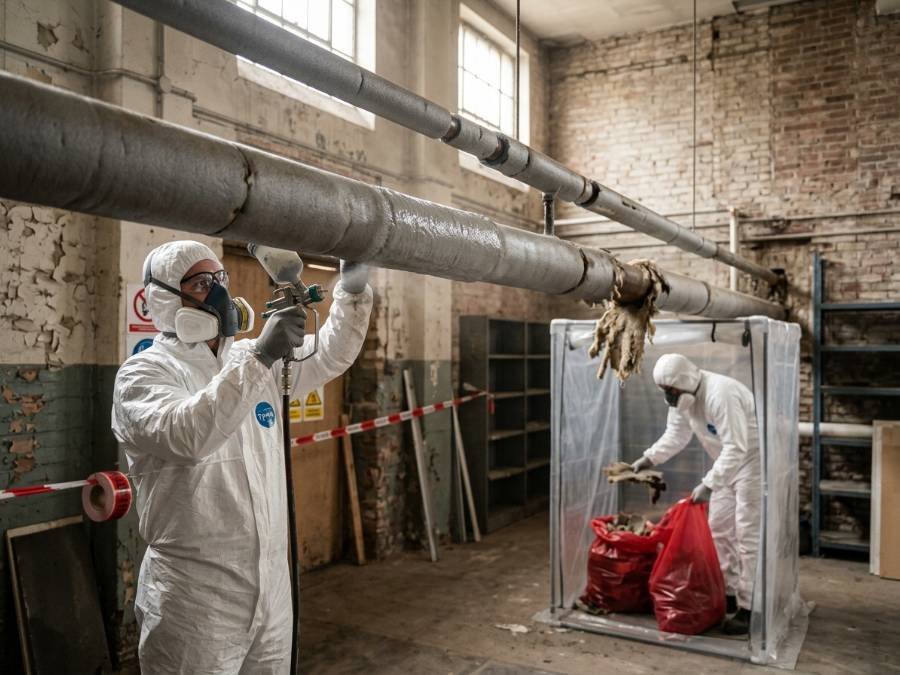
In some situations, asbestos-containing materials can remain in place if they are intact and regularly monitored. Other management options include encapsulation, which involves applying specialized coatings, and enclosure, which isolates the material behind a protective barrier.
Removal may be recommended when materials are damaged, deteriorating, or likely to be disturbed during future work. Once asbestos is identified, the results can be used to develop a plan that supports both safety and project goals.
Are There Regulations Regarding Asbestos Testing?
Asbestos regulations exist to help protect public health, reduce environmental contamination, and limit occupational exposure. Depending on the project, asbestos surveys or inspections may be required before renovation or demolition activities begin.
Commercial and industrial properties may have additional responsibilities related to documentation, management, and compliance. Understanding applicable requirements early in the planning process can help avoid delays and ensure work proceeds appropriately.
Asbestos Testing Considerations for Homes and Businesses in Northwest Louisiana
Many homes and commercial buildings throughout Northwest Louisiana were constructed during periods when asbestos-containing materials were still commonly used. As renovation and redevelopment projects continue across the region, testing often serves as an important first step before construction begins.
Residential properties may contain asbestos in flooring, insulation, roofing, or ceiling materials. Commercial and industrial facilities may have additional concerns involving mechanical systems, equipment insulation, and older fireproofing products. Evaluating these materials before they are disturbed helps support safer project planning.
Protecting Your Property Starts With Proper Testing
Asbestos is not always visible, and many older building materials can contain it without obvious signs. Because renovations, repairs, and demolition activities often disturb these materials, testing plays an important role in identifying potential risks before work begins.
While visual observations can help identify suspect materials, laboratory analysis is the only way to confirm whether asbestos is present. By understanding when testing is needed and how the process works, you can make informed decisions about your property and plan future projects with greater confidence.
If you suspect asbestos may be present in your home, commercial building, or industrial facility, professional asbestos testing is the safest next step. You can contact Alpha Abatement at (318) 553-5884 to schedule asbestos testing and get clear, reliable results before starting any work.
Frequently Asked Questions About Asbestos Testing
1. How much does asbestos testing cost?
Costs vary depending on the number of samples collected, the size of the property, and laboratory fees.
2. How long does asbestos testing take?
Most laboratory results are available within several days, although turnaround times can vary.
3. Can asbestos be identified without testing?
No. Visual inspection alone cannot confirm whether asbestos is present.
4. Is asbestos dangerous if it is not disturbed?
Intact materials generally present lower risks than damaged or disturbed materials.
5. Do I need testing before replacing flooring?
Testing is often recommended when older flooring materials may contain asbestos.
6. Can asbestos be found in roofing materials?
Yes. Certain roofing products manufactured in previous decades contained asbestos.
7. What should I do if a test comes back positive?
Review the results carefully and determine whether monitoring, management, or removal is appropriate.
8. Who should perform asbestos testing?
Qualified inspectors and accredited laboratories provide the most reliable testing results.