

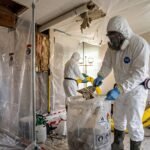
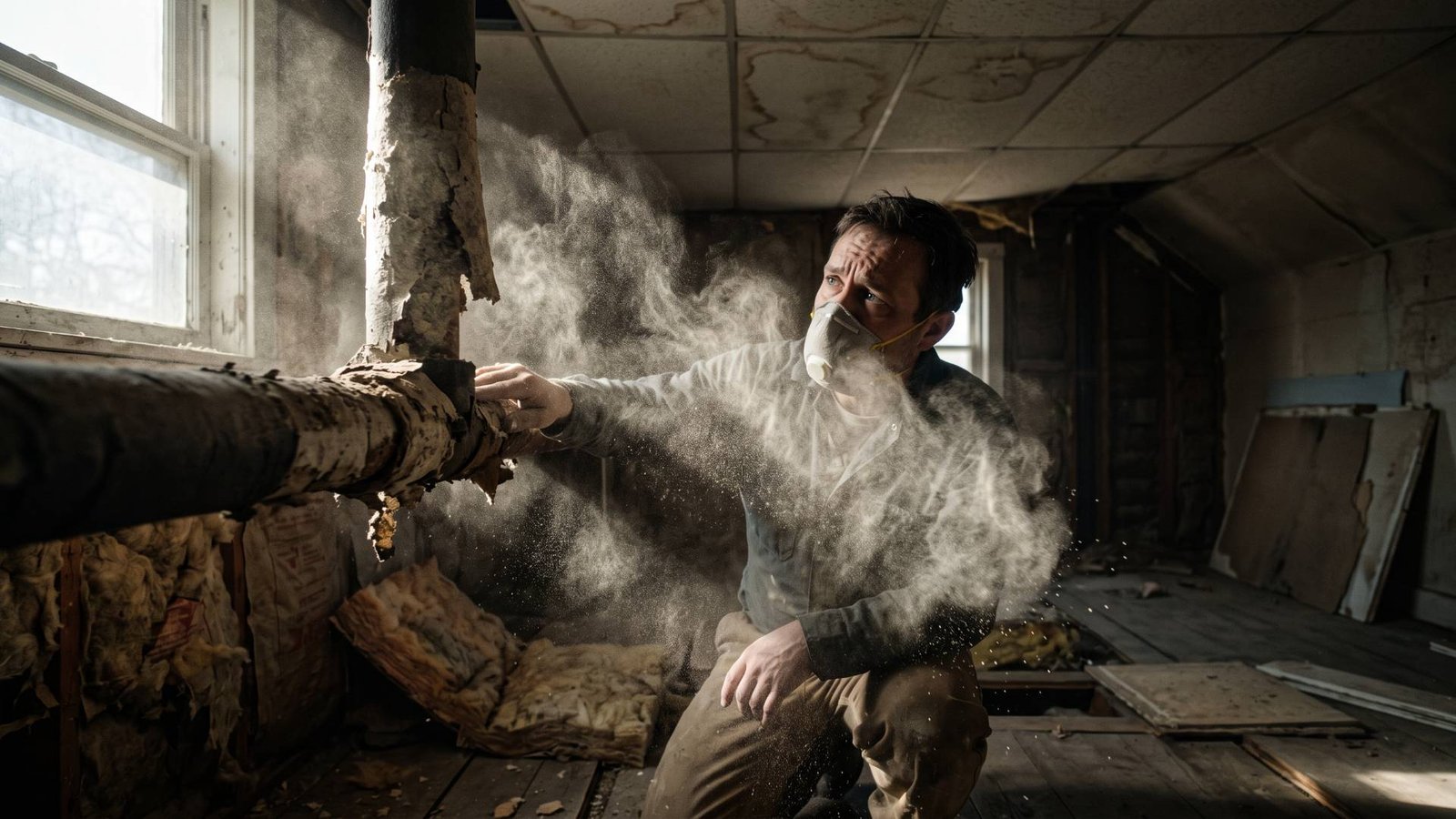
If you're wondering how much asbestos exposure is dangerous, you're not alone. This is one of the most common questions people ask after discovering possible asbestos-containing materials in a home, workplace, or commercial building. The simple answer is that there is no known safe level of asbestos exposure. Although a single, brief exposure does not always cause illness, inhaling asbestos fibers can increase the risk of serious health conditions, especially with repeated or prolonged exposure.
One of the biggest concerns with asbestos is that its fibers are microscopic and invisible to the naked eye. Older building materials such as insulation, floor tiles, ceiling products, roofing materials, and pipe insulation may contain asbestos without showing any obvious signs. When these materials are damaged or disturbed during renovations, repairs, or demolition, tiny fibers can be released into the air and easily inhaled.
This guide explains how much asbestos exposure is dangerous, what affects your risk, the potential health effects of asbestos exposure, and why professional asbestos testing is the most reliable way to identify asbestos before starting any renovation, demolition, or repair project.
Why People Ask: How Much Asbestos Exposure Is Dangerous?
Last spring, a homeowner near Broadmoor started removing old vinyl flooring during a weekend remodel. They noticed dusty adhesive underneath and stopped working because they weren't sure if asbestos was present. That was the right decision.
Many people think asbestos is only dangerous after years of working around it. In reality, how much asbestos exposure is dangerous depends on several factors:
- The amount of asbestos fibers released
- How long the exposure lasts
- How often exposure happens
- The type of asbestos material
- Whether fibers become airborne
- Personal health and smoking history
The important thing to remember is that diseases linked to asbestos usually develop after fibers are inhaled repeatedly or in large amounts. However, even one unexpected exposure should be taken seriously until the material has been tested.
The safest approach is to avoid disturbing materials that could contain asbestos and arrange professional testing before continuing any project.
What Makes Asbestos Dangerous?
Asbestos is made of tiny mineral fibers. When asbestos-containing materials remain in good condition, they often do not release many fibers into the air.
Problems begin when materials are:
- Broken
- Cut
- Sanded
- Drilled
- Scraped
- Demolished
- Damaged by water or fire
Once disturbed, microscopic fibers become airborne. These fibers are too small to see and can remain suspended for hours. If inhaled, they may stay inside the lungs for decades.
This is why people frequently search for how much asbestos exposure is dangerous after completing a renovation or cleanup project.
Common Places Asbestos Is Found
Many older buildings throughout Shreveport still contain asbestos materials.
Common locations include:
Insulation
Older attic, boiler, and pipe insulation may contain asbestos.
Floor Tiles
Nine-inch vinyl floor tiles and their adhesives are common asbestos-containing materials.
Ceiling Materials
Acoustic ceiling tiles and textured ceiling coatings sometimes include asbestos.
Roofing Products
Older shingles, flashing, roofing felt, and siding panels may contain asbestos.
Cement Products
Some cement boards and exterior siding materials include asbestos fibers.
Pipe Wrap
Heating systems in older buildings often used asbestos insulation around pipes.
If you're renovating an older property near Cedar Grove, Queensborough, or Mooretown, testing before demolition can prevent unnecessary exposure.
Signs That Your Home May Need Testing
You cannot identify asbestos just by looking at it. Professional testing is recommended if:
- Your building was constructed before 1980
- You plan to remodel
- Materials appear damaged
- Water damage has affected ceilings or insulation
- You notice crumbling pipe insulation
- You're purchasing an older property
- Storm damage exposed building materials
Many Shreveport homeowners ask how much asbestos exposure is dangerous only after work has already started. Testing beforehand is always the safer option.
Environmental Consultant
An environmental consultant plays an important role before renovation, demolition, or property purchases. Rather than guessing whether asbestos is present, an environmental consultant performs a detailed inspection, identifies suspect materials, and recommends laboratory testing when necessary.
This helps homeowners, contractors, schools, and businesses:
- Reduce health risks
- Meet environmental regulations
- Plan safe renovations
- Avoid unexpected project delays
- Protect workers and occupants
Whether it's a home, business, school, healthcare facility, or industrial property, environmental consultants throughout Shreveport help identify potential asbestos hazards and recommend the appropriate next steps.
Having an experienced environmental consultant involved early often saves time, money, and unnecessary disruption later.
What Happens During Asbestos Testing?
Professional asbestos testing follows a careful process.
Step 1: Visual Inspection
The inspector looks for materials that commonly contain asbestos.
Step 2: Sample Collection
Small material samples are safely collected while minimizing fiber release.
Step 3: Laboratory Analysis
Certified laboratories examine samples using specialized equipment to determine whether asbestos is present.
Step 4: Written Report
The report explains:
- Which materials contain asbestos
- Material condition
- Recommended next steps
- Whether removal, repair, or monitoring may be appropriate
Testing provides facts instead of assumptions.
Does One-Time Exposure Mean You'll Get Sick?
This is one of the biggest concerns people have. The answer is encouraging. A single short exposure does not automatically mean someone will develop asbestos-related disease.
However, nobody can say exactly how much asbestos exposure is dangerous for one individual because every situation is different.
Health experts generally agree that reducing exposure as much as possible is the safest approach.
If you believe you've been exposed:
- Leave the area
- Avoid creating more dust
- Don't vacuum with a household vacuum
- Avoid sweeping
- Wash exposed clothing separately
- Contact an asbestos testing professional
Health Problems Linked to Asbestos
Long-term exposure can contribute to serious illnesses.
These include:
Asbestosis
Scarring of the lungs that makes breathing difficult.
Lung Cancer
Risk increases significantly among smokers who have asbestos exposure.
Mesothelioma
A rare cancer affecting the lining around the lungs or abdomen.
Pleural Disease
Thickening or scarring around the lungs that may affect breathing.
These diseases usually take decades to develop, which is why preventing exposure today remains so important.
Who Has the Highest Risk?
Certain occupations have historically experienced greater asbestos exposure.
Examples include:
- Construction workers
- Demolition crews
- Shipyard workers
- Electricians
- Plumbers
- HVAC technicians
- Roofers
- Industrial maintenance workers
Even homeowners can experience exposure during remodeling if asbestos-containing materials are disturbed without testing.
What Should You Do If You Think You've Been Exposed?
Stay calm.
Follow these simple steps:
- Stop working immediately.
- Keep others away from the area.
- Avoid disturbing the material further.
- Avoid cleaning with household equipment.
- Arrange professional asbestos testing.
- Follow recommendations based on laboratory results.
These actions help reduce additional exposure while protecting everyone inside the building.
Why Professional Testing Is Better Than Guessing
Many materials that contain asbestos look identical to materials that do not.
Guessing can lead to:
- Unnecessary removal costs
- Continued exposure
- Regulatory violations
- Unsafe renovations
- Project delays
Professional asbestos testing provides reliable answers before major work begins.
Whether you're renovating an older home near Cross Lake, restoring a historic property in Highland, or managing commercial space in Downtown Shreveport, testing supports safer decision-making.
Seasonal Concerns in Shreveport
Weather can increase the chance of discovering asbestos-containing materials.
Heavy spring storms may damage roofing or siding. Summer renovation projects often uncover hidden insulation and flooring. Winter heating system repairs sometimes expose old pipe insulation.
Following severe weather, it's wise to inspect damaged building materials before beginning cleanup or repairs.
Frequently Asked Questions
1. How much asbestos exposure is dangerous?
There is no officially known safe level of asbestos exposure. Any unnecessary exposure should be avoided, especially when materials are damaged or disturbed.
2. Can I tell if something contains asbestos?
No. Materials must be tested by qualified professionals and analyzed in an accredited laboratory.
3. Should I remove asbestos myself?
Generally, disturbing asbestos-containing materials increases the risk of fiber release. Professional guidance is recommended before attempting removal.
4. Is every old building full of asbestos?
No. Older buildings are more likely to contain asbestos, but only testing can confirm whether it is present.
5. When should I schedule asbestos testing?
Before remodeling or demolition, when purchasing an older property, after storm damage, or whenever suspected asbestos-containing materials become damaged.
Protect Your Property with Professional Asbestos Testing
If you've been wondering how much asbestos exposure is dangerous, the safest approach is to avoid disturbing suspected materials until they have been professionally tested. Early testing provides clear answers, helping you make informed decisions before starting renovations, repairs, or demolition.
Whether you own a home, manage a commercial property, or oversee a school or industrial facility in Shreveport, LA, professional asbestos testing can help identify potential hazards and support a safer environment for everyone involved.
If you suspect your property may contain asbestos, contact Alpha Abatement for reliable asbestos testing services. Their experienced team can inspect suspect materials, coordinate laboratory analysis, and provide the information you need to move forward safely. Call (318) 553-5884 today to schedule your asbestos-related appointment.